A HOUSE BUILT ON SALT: A journey to a sodium free Nigeria.
Let your health guide your taste.
Documentary
Resolve To Save Lives
2025
Phinehas Emmanuel
Project Overview
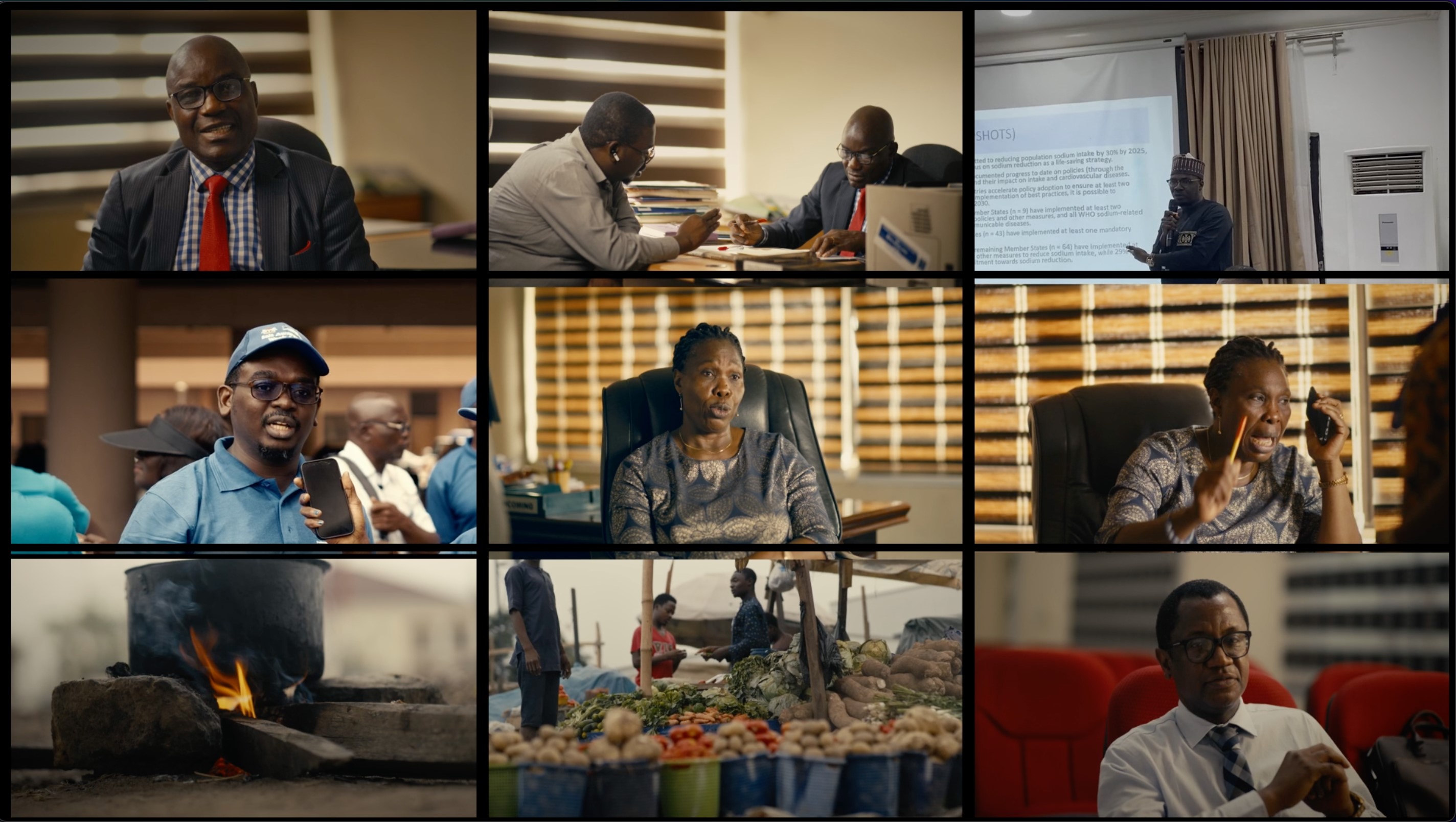
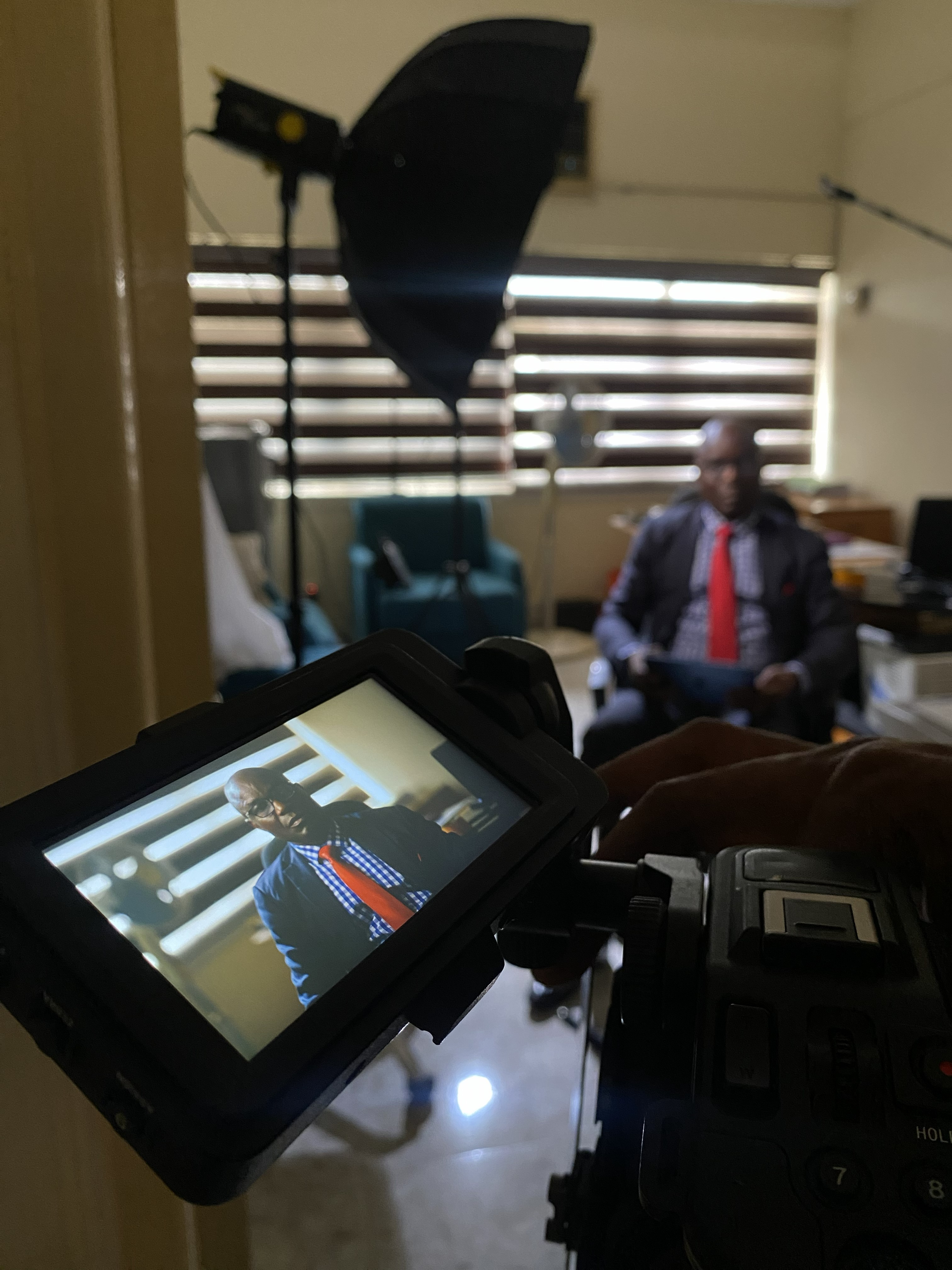
A House Built on Salt is a documentary produced for the Federal Ministry of Health that examines Nigeria's relationship with salt consumption. Not from a distance, but from inside the kitchens, the markets, the hospitals, and the communities where that relationship plays out every single day.

01 - Details
Hypertension. Stroke. Kidney disease. Heart failure. These are not abstract medical terms. They are the diagnoses filling hospital wards across the country. They are the funerals happening too early. They are the conditions that doctors are now consistently and urgently connecting back to one thing ; how much salt Nigerians are consuming and how little most people know about it.
The average Nigerian consumes nearly double the amount of salt the World Health Organisation recommends daily. Most do not know this. Many would not believe it. Because the salt is not just in the obvious places. It is hidden inside the processed foods, the seasoning products, the snacks, and the convenience foods that have become a growing part of how Nigerians eat. What you do not see is still doing damage. But this film is not only about the problem. It is about what is being done.
A House Built on Salt documents the Federal Ministry of Health's active strategies to address salt overconsumption at a national level — the policies being developed, the public health campaigns being rolled out, the partnerships being formed with food manufacturers, and the community-level interventions designed to reach Nigerians where they are. It brings those efforts into a human context, showing not just what the government is doing but why it matters and what is at stake if the conversation does not reach the everyday Nigerian household in time. Because policy only works when people understand what it is trying to protect them from.
This film sits at the intersection of culture and public health. It does not talk down to its audience. It does not reduce Nigerian food traditions to a problem to be solved. It holds the complexity — the love, the habit, the history — while also being honest about the cost.